
B2B ecommerce SEO is the work of making an online store that sells to businesses easy to find in search. It uses the same technical rules as any store, but the pages have to serve company buyers who compare specifications, need approval and often order again and again.
Key points
- B2B ecommerce SEO follows the same technical rules as any online store.
- The buyer is different: a company that compares, needs approval and reorders.
- Google publishes its own guides for ecommerce site structure, URLs and product data.
- Product and category pages should stay public even when prices need a login.
- Success is measured in quote requests, accounts opened and repeat orders.
How B2B ecommerce SEO differs from B2C
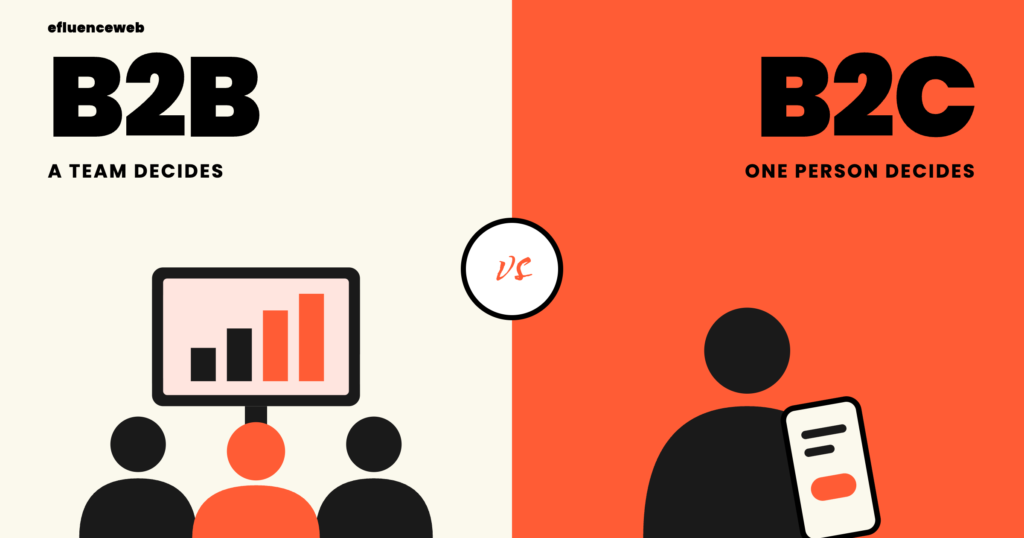
The store looks similar. The buyer doesn’t. Sana Commerce, a B2B ecommerce platform, describes it this way: B2C campaigns aim for a quick conversion, while B2B ecommerce SEO builds an engaged audience that turns into leads and customers over time.
That changes what a page needs. A B2B buyer wants full specifications, compatibility, order quantities and delivery terms before they’ll ask for a quote.
For the wider comparison, see B2B SEO vs B2C SEO.
Step 1: Give the store a clear structure
Buyers and search engines should reach any product in a few clicks. Group products into categories and subcategories that match how buyers describe them, and link between related pages.
Google has a guide on this in its ecommerce SEO documentation, which covers navigation and linking so Google can tell which pages matter most.
Step 2: Keep URLs clean
Filters, sorting and product variants can create many URLs for the same content. That wastes crawling and splits signals between copies.
Google’s ecommerce documentation includes a guide to URL design for exactly this problem. Decide which version of each page is the main one, and keep filter and sort URLs under control.
Step 3: Share product data properly
Search engines read product pages better when the data is explicit. The same Google documentation covers how to share product data and which structured data fits ecommerce pages.
Make sure the structured data matches what a visitor can see on the page. Name, part number, description and availability should be the same in both places.
Step 4: Write product pages for company buyers
A B2B product page has to answer the questions a buyer would otherwise email you. We’d include:
- Full specifications and part numbers
- What it’s compatible with
- Order quantities, lead times and delivery terms
- Documents a buyer needs for approval, such as data sheets
Category pages need a short plain introduction too, so they can rank for the category name and not only list products.
Step 5: Keep key pages public
Many B2B stores hide prices behind a login. That’s a business choice, and it can stay. But product and category pages themselves should be open, so there’s something for search engines to index.
If prices are private, show everything else and add a clear way to request a quote or open an account.
Step 6: Measure the right result
A B2B store rarely sells on the first visit. So judge SEO on quote requests, accounts opened and repeat orders from organic search, not on first visit sales.
Give changes time. Google’s SEO starter guide says some changes take effect in hours and others take several months.
We plan and run this work through our SEO and AEO services, and build the stores themselves through our WordPress development service.
B2B ecommerce SEO FAQ
How does B2C SEO differ from B2B ecommerce SEO?
B2C SEO aims for a quick purchase by one shopper. B2B ecommerce SEO serves company buyers who research, need approval and often reorder. The technical rules are the same, but the page content and the way you measure results are different.
Why is SEO necessary for B2B organizations?
Because business buyers research online before they contact a supplier. If your products don’t appear when they search, they build their shortlist without you.
When choosing SEO vs PPC, what should I know?
PPC brings visits while you pay for them and stops when you stop. SEO takes longer to start and keeps working after the work is done. Many B2B stores use PPC first and build SEO alongside it.
If you want to know where your store is losing buyers in search, book a call with us and we’ll look at it together.