
A B2B SaaS SEO content strategy is a plan for which pages to publish so that buyers find your product while they research. It starts from the product and the buyer, covers each stage of the decision with its own page type, and is measured in demos and signups from organic search.
Key points
- The strategy starts from your product and buyer, not from a list of blog ideas.
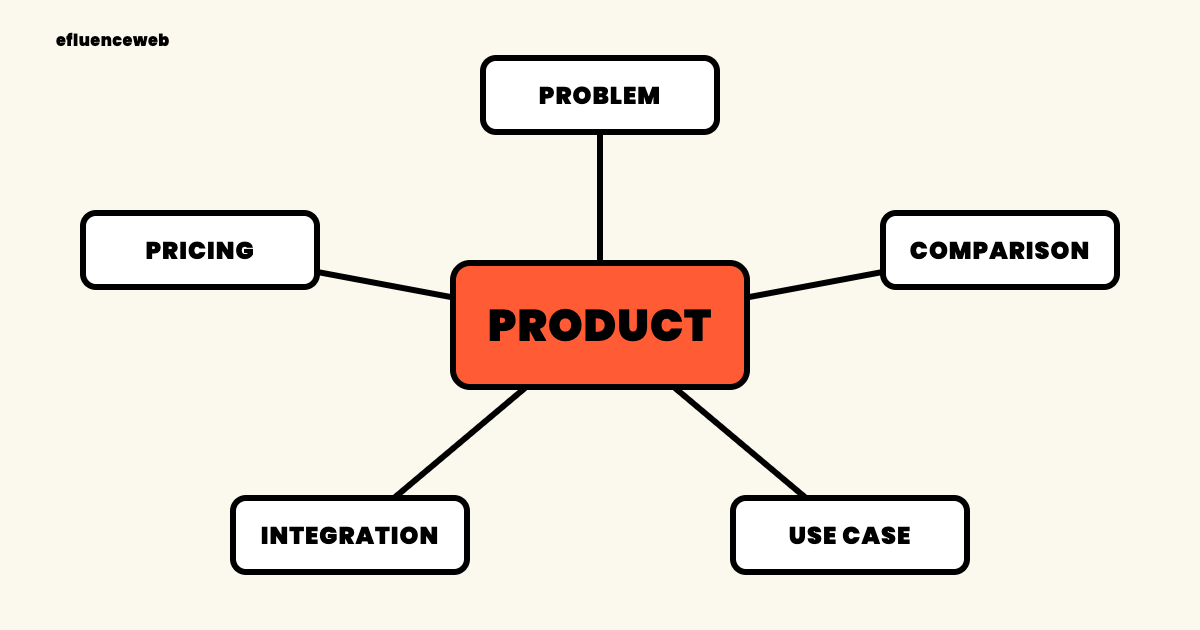
- Five page types cover the buying decision: problem, comparison, use case, integration and pricing.
- Pages closest to a purchase should be published first.
- Google asks sites to show who wrote content and how it was made.
- Demos and signups from organic search are the measure, not page views.
What a B2B SaaS SEO content strategy covers
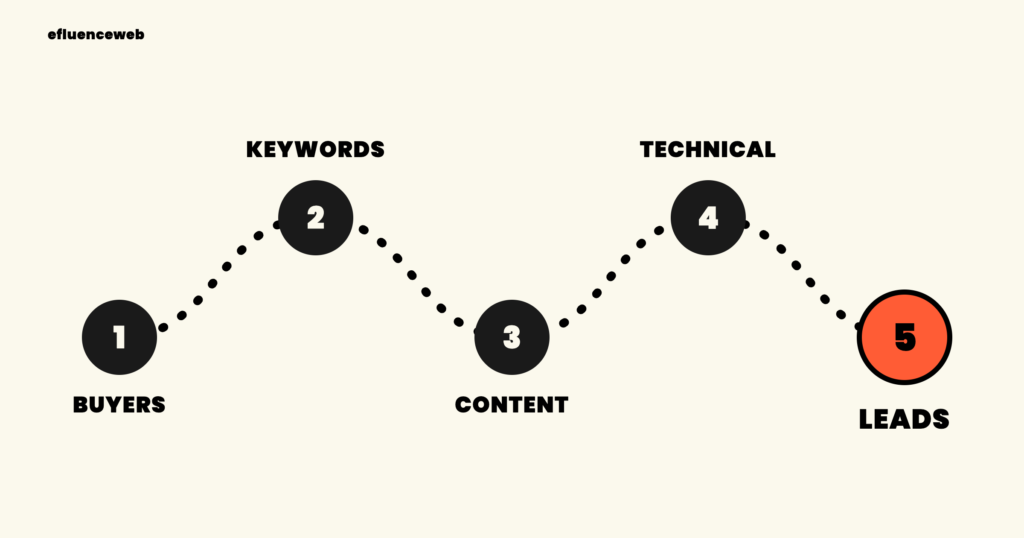
It covers three decisions: who you’re writing for, which pages you’ll publish, and in what order. A list of blog topics isn’t a strategy until those three are answered.
It also sits inside a wider plan. For the full picture, see our B2B SEO strategy guide.
Start from the product and the buyer
Every page should trace back to something your product does for a specific person. Write down the jobs your product does, who has each job, and what that person searches when the job goes wrong.
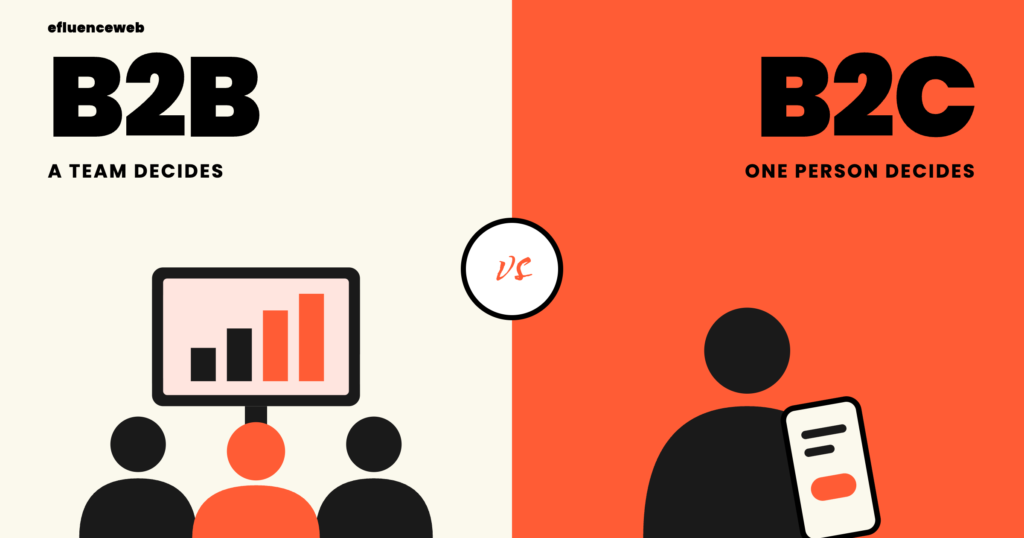
SaaS buyers do much of this research alone. Gartner reports that 75% of B2B buyers prefer a rep free sales experience. Your content is doing the early sales conversation.
The five page types to publish
Each type answers a different stage of the decision:
- Problem pages. Explain the problem your product solves, for people who haven’t started looking for software.
- Comparison pages. Your product against named alternatives, written fairly.
- Use case pages. One page per role or industry, showing how they’d use it.
- Integration pages. One page per tool you connect to.
- Product and pricing pages. Clear features, clear pricing, clear next step.
One search intent per page. A page that tries to explain the problem and sell the product at once does neither well.
Publish in this order
Start closest to the purchase and work outwards. That way the first pages you publish can bring in leads, and later pages have somewhere useful to link.
- Product and pricing pages
- Comparison pages
- Use case and integration pages
- Problem pages and guides
Most SaaS blogs do this in reverse and end up with traffic that has nowhere to go.
Write from real product knowledge
Google’s guidance on helpful content asks sites to make clear who created the content and how it was produced, and says trust is the most important part of E-E-A-T.
A SaaS company has material nobody else has: how the product is used, what customers ask support, what goes wrong during setup. Put a named author on each post and write from that.
Connect the pages
Pages work as a group, not alone. Link each problem page to the use case and product page it leads to, and link comparison pages to pricing.
Use link text that says what the next page is about. Google’s SEO starter guide notes that descriptive anchor text helps people and search engines understand the linked page.
Plan for AI search
No separate content is needed for AI search. Google’s guide states that no new machine readable files, AI text files or special markup are required to appear in its generative AI features.
What helps is the same thing that helps readers: a direct answer at the top of the page, and content with your own point of view instead of a copy of what ten other sites say.
Measure demos and signups
Page views tell you people arrived. They don’t tell you the content worked. We’d track demo requests, trial signups and calls booked that start from organic search, page by page.
That shows which page types earn their place, and what to write next. We build and run plans like this in our SEO and AEO services for B2B SaaS.
B2B SaaS SEO content strategy FAQ
What is a B2B SaaS SEO and content strategy?
It’s a plan for which pages a SaaS company publishes so buyers find it in search. It sets who the content is for, which page types to build and in what order. It’s measured in demos and signups.
How is AI search changing content strategy?
Buyers now read answers inside AI features as well as on websites. Google says no special files or markup are needed to appear there. Clear answers and original content matter more, not less.
How long does an SEO and content strategy take to work?
There’s no fixed number. Google says some changes show in hours and others take several months. Pages close to a purchase, like comparison pages, tend to show results before broad guides do.
If you want a content plan built around your product and your buyers, book a call with us and we’ll sketch it out together.